



Cupola
- Charleston
Cupolas
are ornamental domed structures located
at the heights of pre-existing roofs or
domes. The word “cupola” comes from the
Latin word “cupo”, which means “little
dome”.
Cupolas
have both functional and aesthetic value.
Roof cupolas provide a means for ventilation,
and may provide a scenic view of the
surrounding area. Such a cupola is also
known as a belvedere, or a widow’s walk,
provided that it can be reached by a
stair case from the interior of a building.
The use of lighting, or a lantern is
often employed in the cupola.
|
Cupolas have been appreciated for both their architectural beauty
and functionality, and used throughout the prominent architectural
periods, such as the Classical, Renaissance, and Georgian eras.
Cupolas are also currently employed in revival architecture. Renaissance
roof cupolas were among the most ornate, and most frequently graced
the heights of cathedrals and churches. The interiors of the cathedral
cupolas were often elaborately decorated with dramatic lighting
and frescoes depicting religious scenes.
Barn cupolas were originally intended to provide ventilation.
The cupola helped to circulate air through hay stored at the top
of the barn, keeping the bales dry. Over time, these cupolas have
gained much aesthetic value, becoming a popular symbol of agricultural
architecture and life. Barn cupolas are most commonly made of
wood, slatted for ventilation, and having a shingled or paneled
roof. Cupolas are often topped by a traditional weather vane,
the copper rooster being the most popular weather vane figure.
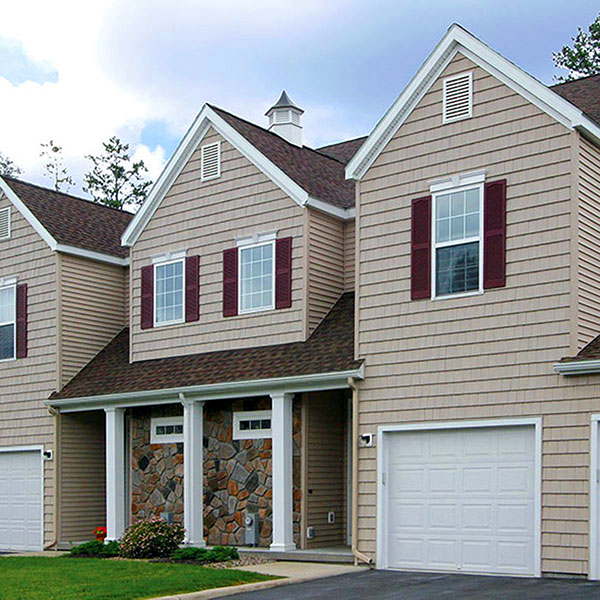
Roof cupolas are often place on top of gazebos, garages, and
sheds. |